

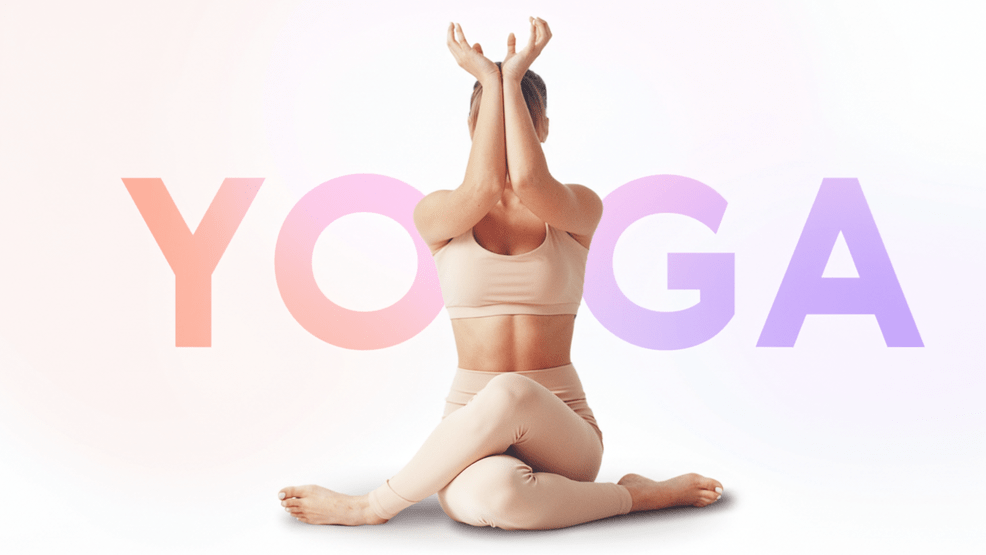
Thai Massage and Yoga: Exploring the Deep Connection Between Two Ancient Practices
When people first observe a Thai massage session, they often remark on how it resembles yoga. The therapist stretches the client’s limbs, twists the body, and applies pressure in a sequence of fluid movements, leaving an impression that the person on the mat is performing a series of yoga poses. This similarity is no coincidence. Thai massage, also known as Nuad Thai, shares deep historical, philosophical, and physiological connections with yoga, making it a unique blend of therapeutic touch and physical movement.
Shared Origins and Philosophical Foundations
Thai massage and yoga both originate from ancient Asian traditions that emphasize the integration of mind, body, and spirit. Yoga, which began in India over 5,000 years ago, is a holistic practice designed to unite physical postures (asanas), breath control (pranayama), and meditation to promote overall health and spiritual well-being. Thai massage, developed over 2,500 years ago, was heavily influenced by Indian Ayurvedic medicine and yoga techniques, brought to Thailand by Indian monks and Buddhist practitioners.
Both practices focus on energy flow. In yoga, this is expressed through prana, the life force circulating through energy channels called nadis, while in Thai massage, therapists focus on sen lines, pathways believed to carry vital energy throughout the body. Both systems recognize that physical stiffness, blocked energy, or emotional stress can impede well-being, and they use stretching, pressure, and breath awareness to release tension, improve energy circulation, and harmonize the body and mind.
Yoga-Like Movements and Physical Benefits
One of the most striking aspects of Thai massage is its dynamic stretching sequence, which closely resembles assisted yoga postures. During a session, a therapist uses their hands, feet, knees, and elbows to guide the client through a series of positions:
-
Forward folds and hamstring stretches resemble yoga poses like Paschimottanasana (seated forward bend), targeting the hamstrings and lower back.
-
Backbends and chest openers mirror Bhujangasana (cobra pose) or Ustrasana (camel pose), expanding the chest and improving spinal flexibility.
-
Twists and side stretches reflect poses like Ardha Matsyendrasana (half spinal twist) or Parighasana (gate pose), enhancing spinal mobility and stimulating internal organs.
-
Hip openers and leg stretches echo Anjaneyasana (low lunge) or Upavistha Konasana (wide-angle seated forward bend), targeting the hip flexors and inner thighs.
Unlike yoga, where individuals actively engage muscles to maintain postures, Thai massage is passive: the client relaxes while the therapist guides the body. This “passive yoga” allows for deeper stretches without strain, helping those with limited flexibility or mobility experience benefits similar to yoga.
The physiological benefits are also comparable. Assisted stretches improve flexibility, joint mobility, and posture. Pressure along sen lines stimulates blood and lymphatic circulation, enhancing oxygen delivery to tissues. Muscle tension is released, chronic pain is alleviated, and a meditative state promotes mental relaxation and stress reduction.
Modern Integration and Global Appeal
In Thailand, massage has historically been both a healing art and a preventive care practice, much like yoga in India. Monks and healers used it to maintain flexibility and health while treating others. Today, Thai massage is practiced worldwide, appreciated for its holistic approach to wellness.
Yoga and Thai massage continue to influence each other in modern wellness culture. Many yoga studios offer Thai massage workshops or integrate assisted stretches into yoga sessions. For individuals with limited mobility or those seeking an alternative to intensive yoga, Thai massage provides a practical and deeply effective way to stretch, release tension, and stimulate energy pathways.
The resemblance between Thai massage and yoga is more than visual; it reflects a shared philosophy, history, and understanding of the body’s energy systems. Whether you are a yoga enthusiast seeking a complementary practice or someone curious about gentle, holistic bodywork, Thai massage nurtures both body and mind, demonstrating the timeless wisdom of combining movement, breath, and mindful attention for health and vitality.

Written by NAIPO CARE


Leave a comment
This site is protected by hCaptcha and the hCaptcha Privacy Policy and Terms of Service apply.