

The Digital Nomad's Portable Massage Studio: Wellness That Fits in Your Bag
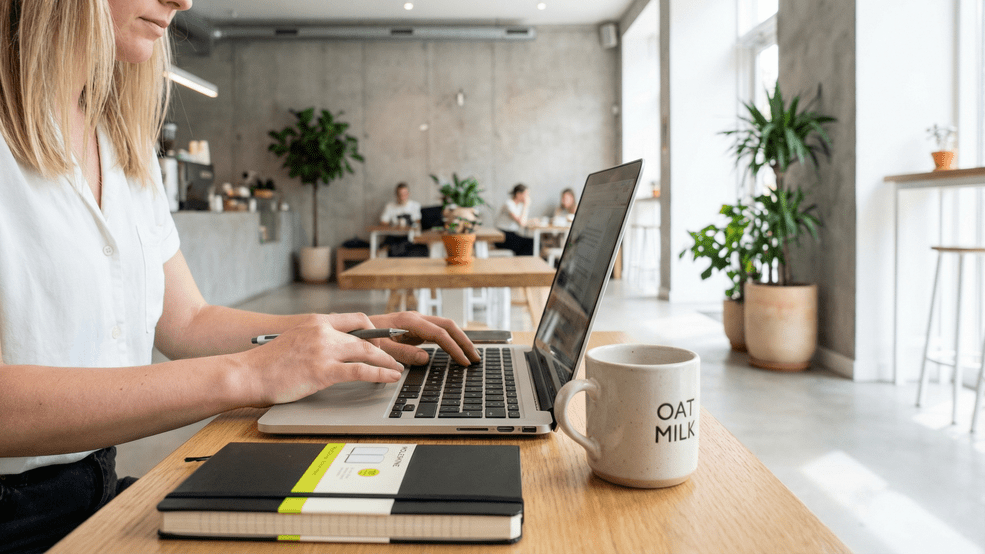
Digital nomad life paints a picture of freedom: answering emails on a Bali beach, joining video calls from a Lisbon cafe, planning the next project in the ancient city of Chiang Mai. Our office has no walls; inspiration flows globally. Yet behind this glossy image lies an overlooked reality: Your backpack holds the world, and your shoulders are quietly bearing its weight.
The stiffness in your neck and shoulders after each long flight, the backache following consecutive video meetings, the fatigue accumulated from switching time zones—these are not the price of success, but your body’s distress signals. When your workplace changes daily, when your office chair might be a cafe stool, an airport floor, or a co-working space sofa, your body becomes the most adaptable piece of "office equipment"—yet often the most neglected.
The Overlooked Science: Why Digital Nomads Need Professional-Grade Self-Care
Research indicates that over 70% of digital nomads develop chronic musculoskeletal issues within their first year of location-independent living. A 2023 survey in the Journal of Remote Work Healthrevealed concerning data: neck pain is 40% more prevalent among digital nomads compared to traditional office workers, with lower back problems being 60% more common.
"This isn't just a posture issue," explains ergonomics expert Dr. Irene Chen. "It's Environmental Unpredictability Syndrome. When your work environment constantly changes—working at a 30cm-high Japanese table today, on a 90cm-high bar counter tomorrow—your musculoskeletal system faces adaptive stress that the human body isn't evolutionarily prepared to handle. The trapezius, levator scapulae, and cervical spine muscles are in a constant state of 'emergency adaptation,' leading to chronic tension."
Neuroscience research provides further insights. The continuous adaptation to new environments activates the sympathetic nervous system, keeping the body in a sustained state of low-grade stress. This not only causes muscle tension but also affects sleep quality, digestion, and cognitive function. For those relying on mental performance for their livelihood, this creates a vicious cycle: stress causes physical discomfort, which reduces work efficiency, leading to more stress.
Your Three Essential Portable Tools: Building a Professional Recovery System
The solution isn't finding the perfect office chair worldwide, but building a personal recovery system that travels with you. After six months of testing various tools and consulting physical therapists, I've refined it to three core components that form a complete recovery ecosystem.
1. The Deep-Tissue Specialist: Mini Percussion Massage Gun
Modern mini massage guns weighing under 500 grams have revolutionized self-recovery. Choose a brushless motor model with adjustable intensity—five levels are sufficient. The highest setting isn't always best; medium intensity (around 1800-2200 RPM) often provides optimal muscle stimulation without causing protective tension.
Usage Wisdom: Don't press directly on bones or joints. For trapezius muscles, use the round head attachment, moving slowly along the muscle fibers. For the lower back, use the fork-shaped attachment along the spine. Each area requires only 1-2 minutes. The best times are 30 minutes after waking up or 1-2 hours after work—avoid using it just before sleep as it may be overstimulating.
2. The Precision Therapist: Multi-Surface Massage Ball Set
Unlike a single lacrosse ball, a professional portable set includes three balls of different densities and textures. The soft foam ball is suitable for facial and neck muscle release; the medium-density rubber ball is ideal for shoulders and back; the high-density ball is for plantar fascia and deep gluteal muscles.
Advanced Techniques: For computer-related rounded shoulders, place a medium-density ball between your shoulder blade and spine, lean against a wall, and perform slow shoulder circles. For tension headaches, use a soft ball to massage the temporal muscle (beside the ears) and suboccipital muscles (base of the skull). This 5-minute daily practice can prevent 80% of common nomad postural issues.
3. The Nervous System Regulator: Foldable Acupressure Mat
Choose a mat that folds to A5 size. Modern mats use food-grade ABS plastic points, more hygienic and durable than traditional flax mats. The scientific principle is simple yet profound: the points stimulate skin receptors, sending signals to the brain to release endorphins while activating the parasympathetic nervous system.
Optimal Protocol: Begin with 5-10 minutes daily, gradually increasing to 20-30 minutes. Use it on a bed or carpet, never on a hard floor. The most effective times are before afternoon work (to alleviate morning tension) or 90 minutes before sleep (to improve sleep quality). For acute anxiety or creative blocks, 15 minutes on the mat can be more effective than another cup of coffee.
The Digital Nomad's Recovery Protocol: Integrating Wellness into a Mobile Lifestyle
Having the right tools is only half the solution; the real art lies in seamlessly integrating them into a fluid schedule. After consulting with a time management coach specializing in remote workers, I've developed the "Digital Nomad 3×3 Recovery Protocol."
Morning (3 minutes): Upon waking, use the massage ball on the soles of your feet for 1 minute, followed by 2 minutes of shoulder and neck release with the ball against a wall. This isn't just physical preparation—it signals to your brain that the day starts with self-care, not emails.
Afternoon Transition (3 minutes): After lunch or the main work block, use the massage gun's mid-intensity setting on the forearms and shoulders for 3 minutes. This breaks the cycle of continuous static posture, increases blood flow to the brain, and is more effective for combating the afternoon slump than caffeine.
Evening Unwind (3 minutes): 90 minutes before bed, spend 3 minutes on the acupressure mat while doing breathing exercises (4-7-8 technique: inhale 4 seconds, hold 7, exhale 8). This combination creates a powerful neurological shift from "work mode" to "recovery mode."
This 9-minute daily investment is shorter than a coffee break but offers compounding returns: better sleep quality, reduced next-day fatigue, enhanced creativity, and most importantly—breaking the chronic pain cycle before it begins.
The Philosophy of Portable Wellness: More Than Just Tools
As digital nomads, we've mastered the art of minimalism in our possessions, yet often overlook minimalism in self-care. Your portable massage studio isn't just a collection of objects; it's a portable commitment—a commitment that your well-being isn't conditional on location, that your physical comfort isn't a luxury to be accessed only in cities with good spas.
This mindset shift transforms everything. When you unzip your bag in a new Airbnb, setting up your portable massage station alongside your laptop becomes a ritual of claiming space—not just physical space, but space for your well-being in your own priorities. It's declaring that the success of your nomadic life isn't measured by countries visited or projects completed, but by your ability to maintain the instrument that makes it all possible: a healthy, resilient, pain-free body.
In Chiang Mai, I met a 62-year-old digital nomad who had been location-independent for 15 years. His secret wasn't a special diet or exercise regimen, but a 12-minute daily self-massage routine. "This isn't about avoiding pain," he told me. "It's about respecting the vehicle. My body is the only home I can't trade in for a newer model."
Your portable massage studio is that respect made tangible. It fits beside your laptop, weighs less than your noise-canceling headphones, and offers a more sustainable energy source than any productivity hack: the profound, simple power of feeling good in your own skin, anywhere in the world.
So tonight, wherever you are, unroll that mat. Feel those familiar points of tension. And remember: the world is your office, but your well-being is your home. And finally, you've learned to carry it with you.
Written by NAIPO CARE

Leave a comment
This site is protected by hCaptcha and the hCaptcha Privacy Policy and Terms of Service apply.