


The Gentle Reset: How Abdominal Massage Can Transform Your Digestion
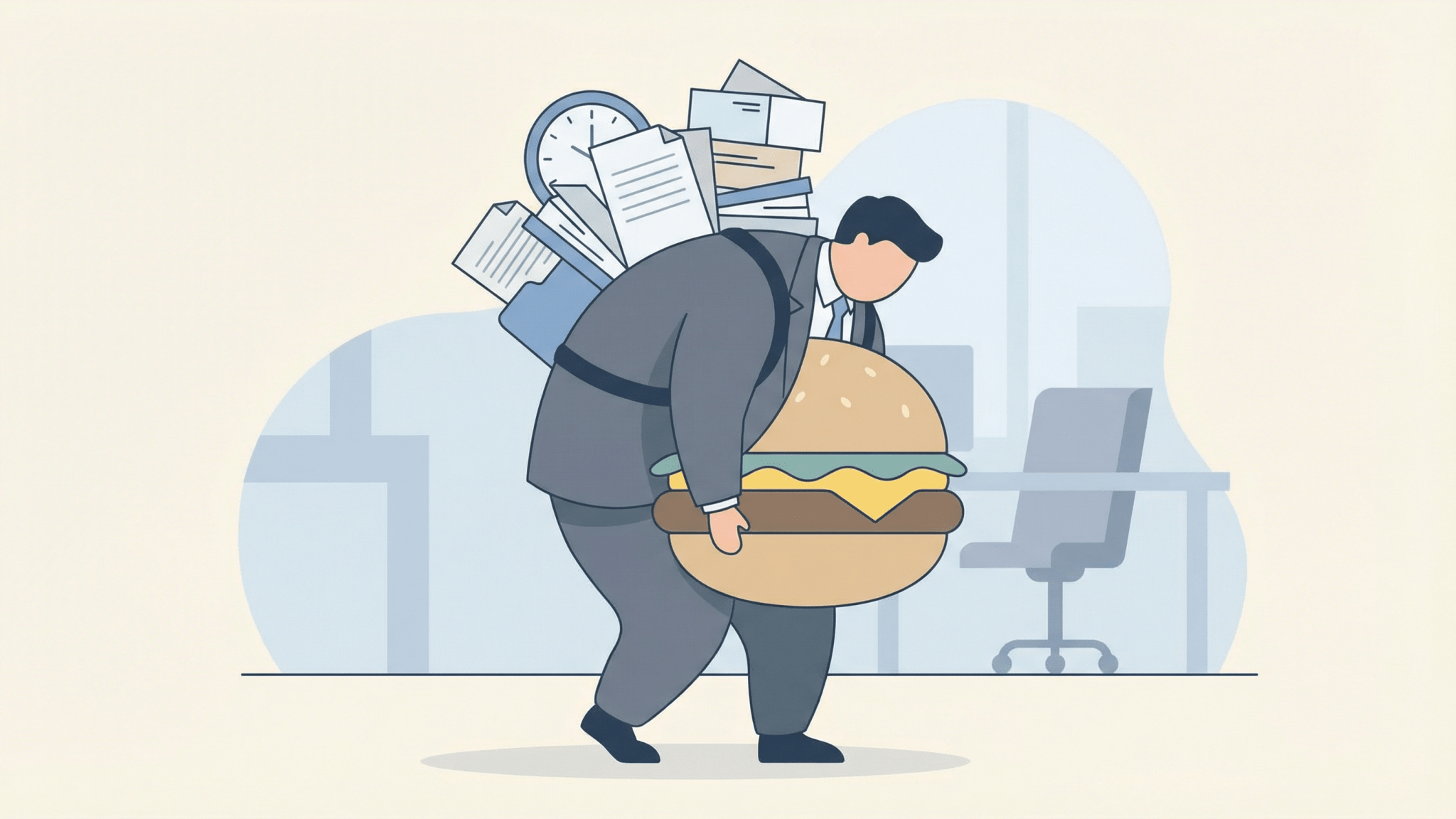
Do you often finish a meal feeling heavy, bloated, or uncomfortably full? That familiar sensation of abdominal tension, gassiness, and sluggishness is more than just an inconvenience—it’s your body signaling that your digestive system needs attention. In our fast-paced lives, we often eat quickly, under stress, or while multitasking, leaving our gut to handle the aftermath. But what if a simple, accessible, and science-backed practice could offer relief? Enter abdominal massage: a timeless, gentle technique that can help reset your digestion, reduce discomfort, and restore a sense of ease.
Understanding Digestive Discomfort
Before exploring the solution, it’s helpful to understand why that post-meal discomfort occurs. Digestion is a complex, coordinated process involving mechanical and chemical breakdown of food, absorption of nutrients, and elimination of waste. When any part of this system is out of sync—due to stress, poor dietary choices, eating too quickly, or decreased gut motility—symptoms like bloating, gas, cramping, and that "stuck" feeling can arise.
The large intestine, or colon, plays a key role in the final stages of digestion. It reabsorbs water and electrolytes and forms waste for elimination. Its natural pathway in the body forms a sort of square, starting at the lower right abdomen, ascending up, traversing across the upper abdomen, and descending down the left side. This clockwise route is central to the practice of abdominal massage.
The Science Behind Abdominal Massage
Abdominal massage isn’t just a folk remedy. A growing body of research supports its benefits for digestive health. The technique works primarily by stimulating peristalsis—the wave-like muscular contractions that propel contents through the digestive tract. When peristalsis is sluggish, waste and gas can build up, leading to bloating and discomfort.
Key Mechanisms of Action:
-
Stimulating Motility: Gentle, clockwise massage encourages the natural movement of the colon. Studies, including those published in journals such as Gastroenterology Nursingand Complementary Therapies in Clinical Practice, have shown that abdominal massage can increase bowel movement frequency and reduce symptoms in individuals with constipation and functional bloating.
-
Reducing Stress: The digestive system is deeply connected to the nervous system via the gut-brain axis. Stress activates the sympathetic nervous system ("fight or flight"), which can shut down non-essential functions like digestion. The calming, mindful touch of massage activates the parasympathetic nervous system ("rest and digest"), creating the ideal physiological state for digestion to proceed smoothly.
-
Improving Circulation: The gentle pressure enhances blood flow to the abdominal organs, potentially supporting their function and the transport of nutrients.
-
Facilitating Gas Release: Massage can help move trapped air bubbles along the colon, providing relief from painful gas and distension.
The Practice: A Step-by-Step Guide to Abdominal Self-Massage
The beauty of this practice lies in its simplicity. You need no special equipment, only a few quiet minutes and your own hands. Here’s how to do it effectively.
1. Set the Scene.
Choose a time when you’re not overly full—ideally an hour or two after a meal, or when you’re feeling discomfort. Find a warm, quiet, and comfortable space. Lie down on your back on a yoga mat, carpet, or bed. Place a pillow under your knees to relax your lower back and abdominal muscles. Soft lighting and calm music can enhance the relaxing effect.
2. Connect with Your Breath.
Before you begin touching, take a moment to center yourself. Close your eyes. Place one hand on your chest and the other on your belly. Inhale slowly and deeply through your nose, feeling your abdomen rise. Exhale fully through your mouth, feeling your belly fall. Do this for 5-10 cycles. This diaphragmatic breathing immediately signals safety to your nervous system.
3. Warm Your Hands.
Rub your palms together vigorously for 15-20 seconds until you feel a building warmth. This simple act not only makes the touch more pleasant but also brings your intention and awareness into your hands.
4. Map the Colon.
Place your warmed hands lightly on your lower abdomen. Visualize the path of your large intestine: It begins at the lower right quadrant (near your right hip bone), travels upward to just below your ribs (ascending colon), moves across the upper abdomen below the rib cage (transverse colon), and then travels down the left side (descending colon) to the lower left quadrant, ending at the rectum.
5. The Clockwise Massage.
Using the palms of your hands or your fingertips, begin making slow, deliberate circles. Always follow the anatomical path: Start in the lower right area. Apply gentle, comfortable pressure—this should never be painful. Move slowly upward toward the right ribs, then across the upper abdomen from right to left, then down the left side, and finally back across the lower abdomen to the starting point. You are essentially tracing a large, clockwise circle that follows the colon’s shape. Continue this rhythmic, flowing motion for 3 to 5 minutes.
6. Maintain Mindfulness.
Keep your breath deep and even. If your mind wanders, gently bring your attention back to the sensation of your hands on your abdomen, the sound of your breath, and the intention of kindness toward your body. Imagine you are guiding stagnation toward movement and release.
7. Conclude with Gratitude.
To finish, gently rest your hands over your navel, taking a few more deep breaths. Acknowledge the hard work your digestive system does for you every day. Slowly roll to your side and sit up when you’re ready.
Enhancing the Ritual: Synergistic Practices
For a truly holistic digestive reset, combine your abdominal massage with other supportive habits:
-
Warm Beverages: Before or after your massage, sip a cup of warm ginger or peppermint tea. Ginger is a renowned carminative, helping to expel gas and soothe gastric muscles, while peppermint has antispasmodic properties that can calm intestinal cramps. The warmth itself also helps relax internal muscles.
-
Mindful Eating: Prevention is powerful. Eat slowly, chew thoroughly, and avoid large meals when stressed. This simple shift reduces the amount of air swallowed and gives your digestive enzymes a head start.
-
Gentle Movement: A short, easy walk after a meal can work synergistically with massage by using gravity and gentle body movement to stimulate motility.
-
Regularity: Think of abdominal massage as a form of maintenance, not just a crisis intervention. A brief daily practice, perhaps in the morning or evening, can help promote regular digestive rhythms.
Precautions and When to Seek Help
While abdominal massage is safe for most people, there are contraindications. Do not perform this massage if you are pregnant, have an active infection, fever, or unexplained abdominal pain. Do not massage directly over wounds, recent surgical scars, or areas of inflammation. Most importantly, do not massage if you suspect a bowel obstruction (symptoms include severe, cramping pain, inability to pass gas or stool, and vomiting). If you have chronic, severe digestive issues like Crohn’s disease, ulcerative colitis, or cancer, consult your doctor before trying this practice.
Persistent, severe bloating and discomfort can be signs of underlying conditions like Irritable Bowel Syndrome (IBS), Small Intestinal Bacterial Overgrowth (SIBO), or food intolerances. If symptoms are ongoing and significantly impact your life, please consult a healthcare professional for a proper diagnosis and personalized plan.
Conclusion: Reconnecting with Your Body’s Wisdom
In a world obsessed with quick fixes and harsh interventions, abdominal massage stands out as a profoundly gentle yet effective practice. It requires you to slow down, listen, and offer your body compassionate touch. It’s a reminder that your gut is not just a processing plant, but a center of intelligence and sensation that thrives on attention and care.
By dedicating just a few minutes to this practice, you’re doing more than just easing physical bloating. You’re engaging in an act of self-care that reaffirms the mind-body connection, reduces stress, and cultivates a kinder, more attentive relationship with your own physical being. Your gut does indeed love attention. So tonight, or the next time you feel that familiar tension, lie down, warm your hands, and begin the gentle, clockwise circles. You might be surprised at how such a simple touch can bring warmth, movement, and profound ease back to your body.

Ecrit par NAIPO CARE

Laisser un commentaire
Ce site est protégé par hCaptcha, et la Politique de confidentialité et les Conditions de service de hCaptcha s’appliquent.