

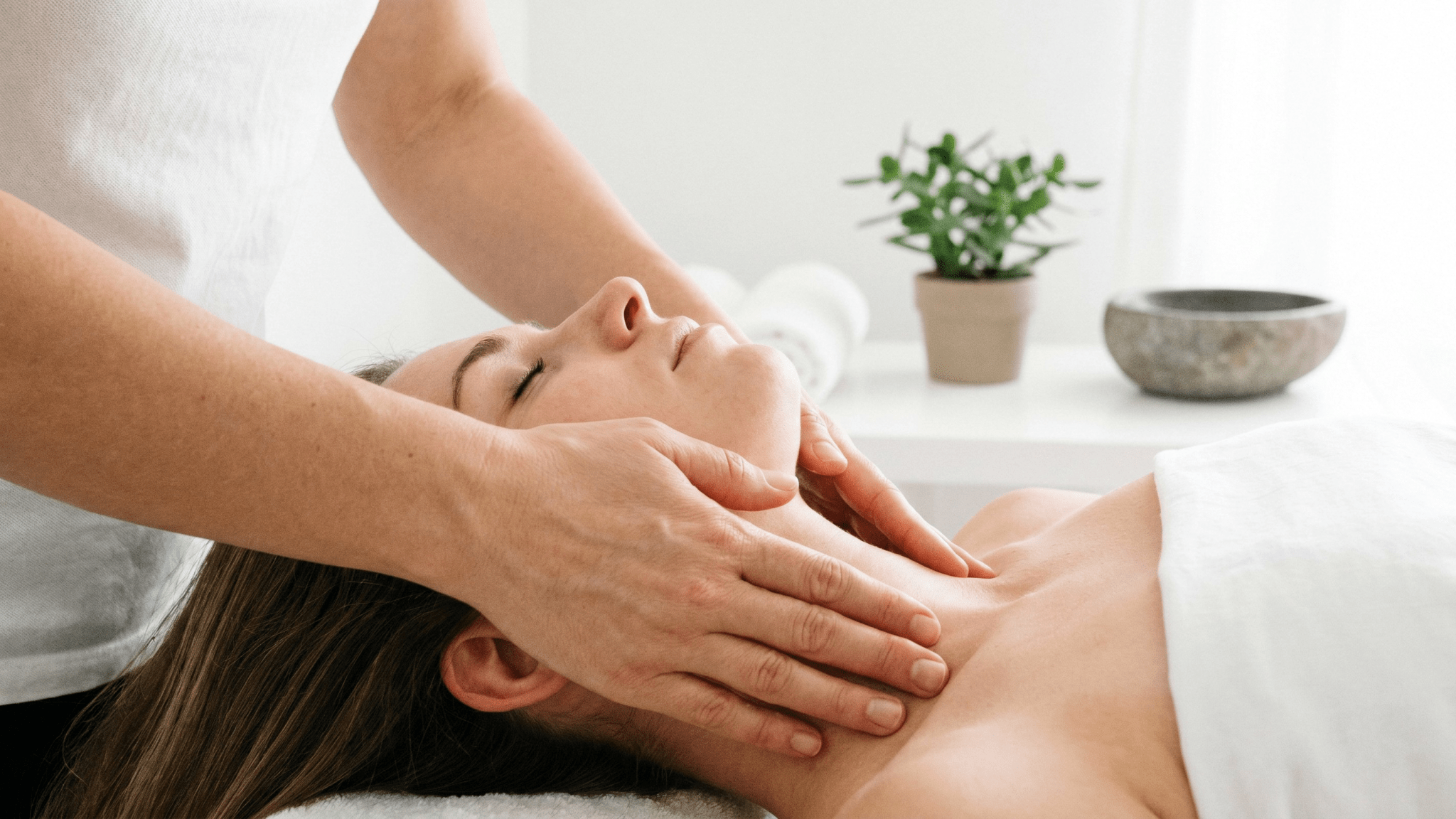
The Post-Massage Phenomenon: Why You Feel Sleepy, Hungry, or Need the Bathroom
You’ve just had a fantastic massage. The therapist’s hands worked out the knots in your shoulders, and the tension in your lower back has melted away. But as you sit up from the table, something strange happens. Your eyelids feel heavy, your stomach starts to growl like a wild beast, and you suddenly have an urgent need to find a restroom. What on earth is going on?
Far from being random side effects, these reactions are actually signs that your body is responding exactly as it should. They are the result of a profound shift in your nervous system and internal chemistry. Let’s dive into the fascinating physiology behind why a simple rub-down can send you straight to the land of nod, the kitchen, or the toilet.
1. The "Rest and Digest" Switch: Why Massage Makes You Sleepy
The most common post-massage experience is a wave of overwhelming drowsiness. This isn't just because the room was dimly lit and quiet; it’s a direct result of your autonomic nervous system shifting gears.
Our bodies operate using two main branches of the autonomic nervous system: the Sympathetic Nervous System (SNS) and the Parasympathetic Nervous System (PNS). Think of the SNS as your body's accelerator—it controls the "fight or flight" response, keeping you alert, tense, and ready for action. The PNS, on the other hand, is the brake. It governs the "rest and digest" state, which is responsible for slowing the heart rate, lowering blood pressure, and promoting relaxation.
During a massage, the physical manipulation of soft tissues stimulates sensory receptors that send signals to the brain. These signals effectively tell the SNS to stand down and invite the PNS to take over. This shift is often referred to as the Relaxation Response.
When the PNS is dominant, your heart rate drops, your breathing becomes deeper and slower, and blood flow is redirected towards your internal organs rather than your muscles. This physiological state is very similar to the early stages of sleep. Furthermore, research suggests that massage can increase levels of serotonin and dopamine—neurotransmitters associated with happiness and relaxation—while decreasing cortisol, the primary stress hormone. With less cortisol and more "feel-good" chemicals circulating, your brain naturally transitions into a state of calm that closely mimics the onset of sleep. So, if you feel like curling up on the floor after a session, don't worry; your body is simply basking in a well-deserved parasympathetic state.
2. Fueling the Machine: The Link Between Circulation and Hunger
If you've ever found yourself raiding the fridge immediately after a massage, you're not alone. That post-massage hunger pang is another classic sign of your body's internal systems waking up. Again, the star of the show is the Parasympathetic Nervous System.
In our daily lives, chronic stress keeps us stuck in a low-grade "fight or flight" mode. When this happens, your body prioritizes survival functions—like pumping blood to your limbs so you can run—over non-essential functions like digestion. Your digestive tract essentially goes into standby mode.
Massage acts as a reset button. As the PNS takes command, it sends a clear signal: "It's safe now." This triggers a cascade of digestive activity. Blood vessels dilate, increasing circulation to the stomach and intestines. This improved blood flow brings oxygen and nutrients to the digestive organs, revving up their metabolic processes. Your gut starts moving again, and your stomach begins producing gastric juices in anticipation of food.
Additionally, the mechanical pressure of a massage can physically stimulate the smooth muscles of the intestines, promoting peristalsis (the wave-like contractions that move food along). This stimulation sends signals to the brain that the digestive system is active and ready for fuel, manifesting as hunger. If you feel hungry after a massage, it’s your body’s way of telling you that its internal engine is running smoothly and needs some energy to keep going. It’s generally a good idea to listen to this cue and opt for a light, nutritious meal to support this renewed digestive efficiency.
3. The Urge to Go: How Massage Stimulates the Excretory System
Perhaps the most urgent and slightly awkward post-massage symptom is the sudden need to urinate or defecate. While it might be inconvenient, this is actually one of the most beneficial physiological responses to manual therapy. It’s all about movement and filtration.
First, let's talk about urination. Massage increases overall blood circulation. As your blood flow improves, your kidneys filter more plasma. More filtration means more urine production. Moreover, when you lie still on a massage table for an hour, gravity isn't pulling fluid into your legs and feet as it does when you're standing. This fluid tends to redistribute centrally, increasing blood volume returning to the heart and subsequently increasing the workload on the kidneys. The result? A full bladder.
Now, regarding the need to defecate, we circle back to the PNS and peristalsis. As mentioned earlier, the "rest and digest" mode doesn't just make you hungry; it makes you go. The vagus nerve, a major component of the PNS, directly innervates the digestive tract. When stimulated by massage, it encourages the colon to contract and move waste through the system. For individuals who suffer from constipation due to stress or a sedentary lifestyle, this can be a welcome relief.
Furthermore, there is a lymphatic connection. The lymphatic system, which helps remove waste and toxins from the body, doesn't have a pump like the heart. It relies on muscle movement and external pressure to circulate lymph fluid. Massage provides exactly that. By stimulating lymph flow, massage helps the body process and eliminate metabolic waste products more efficiently. The end result of this enhanced detoxification process often ends up in the bladder or bowels.
In conclusion, feeling sleepy, hungry, or needing the bathroom after a massage are not random quirks; they are badges of honor. They signify that your massage successfully transitioned your body out of a stressed state and into a healing, restorative one. So next time you roll off the table feeling a bit dozy and peckish, smile—your nervous system is doing exactly what it was designed to do.



Laisser un commentaire
Ce site est protégé par hCaptcha, et la Politique de confidentialité et les Conditions de service de hCaptcha s’appliquent.