

The Fitness Enthusiast's "Refractory Period": How to Soothe Your Angry Muscles When the Dopamine Fades
Let’s paint a picture you know all too well.
Yesterday, you were unstoppable. You powered through that final heavy set, shattered your personal record, or flowed through a yoga sequence with warrior’s grace. The rush was real—a delicious cocktail of endorphins and pride.
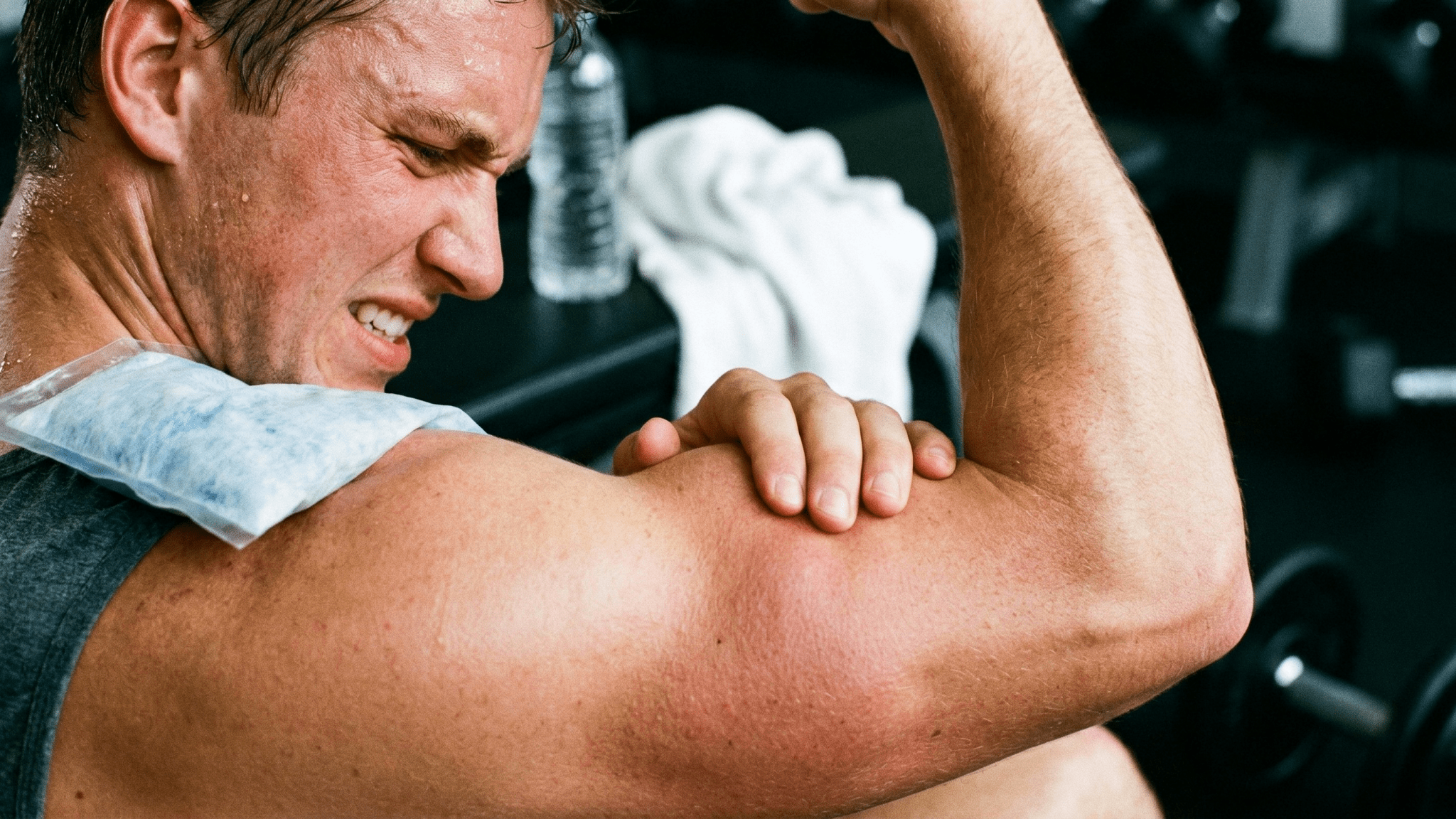
But today? Today, a different story unfolds. A simple act like lowering yourself onto a chair becomes a strategic maneuver. Walking downstairs feels like a slow-motion adventure in eccentric muscle control. You’re living in the vivid, aching aftermath of a great workout, a state known fondly (and painfully) as Delayed Onset Muscle Soreness, or DOMS.
Think of it not as punishment, but as your body’s love letter to effort—a detailed note about the microscopic tears in your muscle fibers that will rebuild you stronger. This “refractory period” is sacred ground for growth. And the most powerful thing you can do isn’t just rest passively; it’s to engage actively in the art of recovery. It starts by changing the conversation with your body, moving from enduring the ache to understanding and soothing it. The secret weapon? Mastering the touch.
Part 1: The Language of Touch: Your Hands as First Responders
Before we explore any gadgets, let’s reconnect with your most intuitive tools: your own two hands. This isn’t about brutalizing sore spots; it’s a practice in mindful communication, a way to listen to what your body is telling you.
Begin with gentle awareness. For those roaring quadriceps, sit comfortably and use the heel of your palm to make long, gliding strokes from your knee upward towards your hip. This gentle effleurage is like a warm welcome, increasing blood flow and signaling to the tense tissue that it’s safe to relax. When you encounter a specific, angry knot—a trigger point—don’t attack it. Instead, apply steady, tolerable pressure with your thumb. Hold for 30-60 seconds, breathing deeply. This ischemic compression gently encourages the knotted muscle fibers to release their grip.
For the tight bands of your hamstrings, imagine you’re a musician. With your thumbs, gently “strum” the length of the muscles from your glutes to behind your knees. You’re feeling for the guitar-string tension in the muscle and the fascia, the intricate web of connective tissue that surrounds it. This gentle palpation helps identify areas begging for attention.
And for the powerhouse glutes? Lie on your back with a tennis ball beneath you. Gently roll until you find a tender spot—often the piriformis, a deep muscle that can refer pain down the leg. Hold there. Let your body weight and your breath do the work. This is myofascial release; you’re not forcing, you’re allowing, creating space for the deep layers to let go.
Part 2: Your Recovery Toolkit: Choosing Your Companion for the Journey
While your hands are wise, their reach and stamina are limited. This is where a few well-chosen tools become invaluable allies, each with a special role in your recovery ritual.
-
The Foam Roller: Your Foundation.
This cylindrical staple is your go-to for large muscle groups. The key is mindfulness: slow, controlled rolls to find tender areas, then pausing to breathe into them. It’s exceptional for the iliotibial band on the side of your thigh and the broad latissimus dorsi muscles of your back. By using your own body weight, you apply a broad, sustained pressure that helps hydrate the fascia and improve tissue mobility, much like slowly rolling out a stiff piece of dough.
-
Massage Balls: Your Precision Experts.
Where the roller is broad, these small spheres are exquisitely specific. A firm lacrosse ball is a deep-tissue wizard for the arch of your foot (plantar fascia), the deep gluteal muscles, or the rotator cuff in your shoulder. For the delicate area along your spine, a “peanut” ball (two connected spheres) is a game-changer. It perfectly straddles the spine, applying soothing pressure to the paraspinal muscles without bothering the vertebrae. They are the ultimate tool for negotiating with stubborn, localized knots that broader tools can miss.
-
The Percussion Massager: Your Deep Tissue Translator.
This is where technology elegantly enhances your body’s natural healing processes. A quality percussion device delivers rapid, rhythmic pulses—a therapy rooted in science. The percussive action is believed to stimulate the tendon organ, signaling the nervous system to reduce muscle tension. Simultaneously, the rapid pulses create a pumping effect, promoting vasodilation—the widening of blood vessels—to flood the area with oxygen-rich blood and flush out metabolic byproducts like lactate. It’s a way to achieve a deep, penetrating release in your calves or shoulders in minutes, mimicking the benefits of a focused, professional-grade sports massage.
Part 3: Building Your Sanctuary: The Holistic Recovery Ritual
True recovery is an ecosystem, not a single action. Massage is the central, active component, but it thrives when supported by other vital practices.
-
Fuel the Machine: Hydration & Nutrition.
Sore muscles are construction zones. Water is the essential river that carries away debris. Support the rebuild with electrolytes, high-quality protein for amino acids, and anti-inflammatory foods like fatty fish, berries, and dark leafy greens. Think of this as providing the finest raw materials for the repair work.
-
Move with Intention: The Dance of Stretch and Mobility.
Pair touch with intelligent movement. Before your workout, use dynamic stretches to gently warm the tissue. Afteryour massage, when muscles are warm and pliable, is the perfect time for static stretching. Holding gentle stretches for 30 seconds or more helps reset muscle tonus (resting tension) and can improve your nervous system’s tolerance for length, promoting long-term flexibility. This isn’t about forcing yourself into poses; it’s a gentle coaxing.
-
The Central Pillar: Mindful Massage.
This is the practice that connects it all. It transforms recovery from a passive waiting game into an active dialogue. It’s the physical act of acknowledging your effort and partnering with your body’s innate wisdom to heal. This dedicated time tells your physiology, “The stressor is over. The repair can begin.”
Part 4: Your On-Demand Recovery Partner: The Role of Intelligent Tools
Understanding the “why” and “how” empowers you. The right tools then make this ritual consistent, effective, and something you genuinely look forward to. This is where a thoughtful device like a NAIPO massage gun seamlessly integrates into your self-care practice.
Imagine effortlessly delivering that perfect, deep compression to your own upper back, or unraveling a knot in your calf with consistent, fatigue-free precision. A NAIPO gun is designed as an extension of your recovery intelligence. Its scientifically curated attachments let you tailor the therapy:
-
The Ball Head offers a broad, soothing compression for general tension in large groups like your hamstrings.
-
The Bullet Head acts as your precision agent, perfect for targeting stubborn trigger points in the shoulder or foot.
-
The Fork Head is expertly designed for the delicate paraspinal region along your spine, offering safe, effective release.
-
The Flat Head provides a firm, spreading pressure ideal for denser areas like the quadriceps or glutes.
With adjustable speed settings, you control the entire conversation—from a gentle flutter to prep the tissue to a deep, thudding pulse for breaking through chronic tension. It brings the principles of myofascial release and percussive therapy into a simple, accessible daily practice.
The journey from post-workout euphoria to next-day stiffness is a universal badge of honor. But within that transition lies your power. By embracing a holistic recovery ritual—one that nourishes, moves, and consciously touches—you transform soreness from an obstacle into the very pathway of growth. With intelligent tools that understand this philosophy, you equip yourself to not just recover, but to truly renew, ready to meet your next act of strength with grace and resilience.
Ecrit par NAIPO CARE


Laisser un commentaire
Ce site est protégé par hCaptcha, et la Politique de confidentialité et les Conditions de service de hCaptcha s’appliquent.